International Museums Chain Project: A Strategic Invitation to Partner Countries
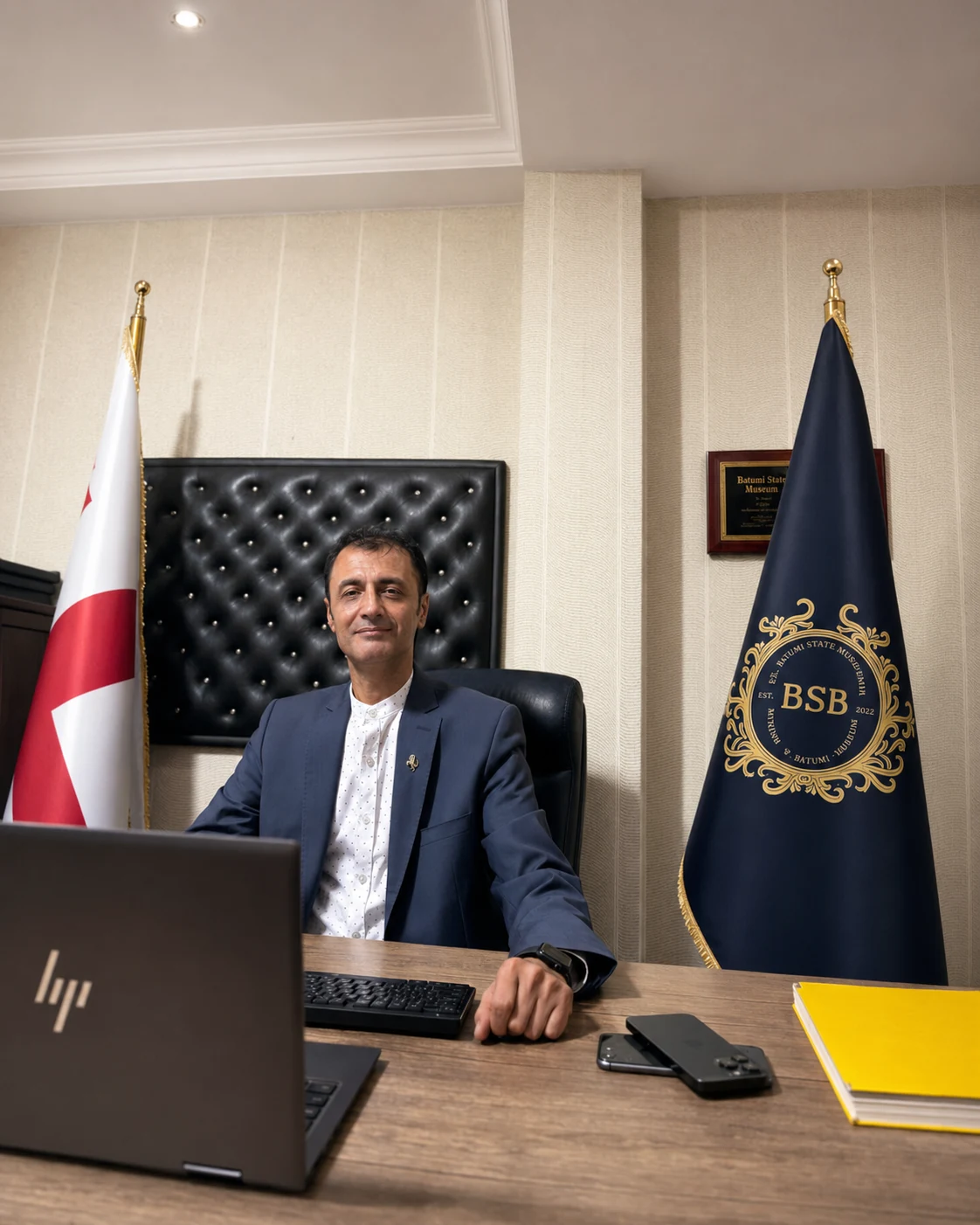
The International Museums Chain Project is being developed as a practical framework for countries that wish to strengthen cultural infrastructure through new, professionally curated museums. Led by Prof. Dr. Bilal Semih Bozdemir, the initiative brings together museum development, heritage protection, public education, scientific interpretation and international cultural cooperation within a single institutional model.
The project is based on a simple but ambitious proposition: museums should not be regarded only as buildings in which objects are stored. A modern museum can become an educational institution, a cultural landmark, a research platform, a tourism asset and a durable form of public diplomacy. When these functions are designed together from the beginning, a museum becomes an investment in both memory and the future.
A Proposal for Partner Countries
The International Museums Chain Project is intended for dialogue with ministries of culture, education and tourism, municipalities, universities, public institutions and other qualified partners. The objective is to identify countries and cities where a new museum can add genuine institutional value and then to develop a model suited to the host country’s heritage, educational priorities and long-term cultural strategy.
Each proposed museum is expected to be rooted in its own national and local context. The chain concept does not mean producing identical institutions. On the contrary, it provides a shared professional framework while allowing each museum to develop an identity that reflects its country, city, collections, research strengths and cultural priorities.
Why Museums Matter to National Development
Museums contribute to societies in ways that are often underestimated. They protect objects and stories that would otherwise be dispersed, damaged or forgotten. They provide reliable educational environments where students can encounter real materials rather than only digital representations. They create destinations that support cultural tourism and local economic activity. They provide venues for international exhibitions, academic cooperation and public events. Most importantly, they create continuity between generations.
A successful museum can therefore serve several public-policy goals simultaneously. It can support education, strengthen cultural identity, contribute to tourism, provide a platform for science and scholarship, and improve a country’s international cultural visibility. This multidimensional value is central to the International Museums Chain Project.
From Collection to Institution
Prof. Dr. Bilal Semih Bozdemir’s museum work has emphasized the difference between possessing a collection and building an institution. A collection becomes a museum only when documentation, conservation, interpretation, public access, professional governance and long-term planning are established around it. The project therefore approaches museum creation as an institutional process rather than a decorative construction exercise.
For partner countries, this distinction is critical. Buildings can be constructed relatively quickly, but a credible museum requires a curatorial concept, collection strategy, interpretation plan, cataloguing standards, visitor experience, digital infrastructure, governance and sustainable operating model. These elements must be planned together.
Science, Education and Cultural Heritage
The proposed museum network gives particular importance to scientific and educational content. Depending on the host country and agreed concept, a museum may focus on minerals and gemstones, mining and natural resources, national heritage, archaeology, science, technology, cultural history or another field in which a strong collection and educational mission can be developed.
The educational dimension is designed for multiple audiences: school pupils, university students, researchers, families, tourists and international visitors. Multilingual interpretation can be incorporated where appropriate so that the museum remains locally rooted while also being accessible to a wider international public.
A Platform for Cultural Diplomacy
Museums are among the most credible instruments of cultural diplomacy because they operate through knowledge and heritage rather than short-term political messaging. Joint exhibitions, reciprocal loans, academic programmes, conferences and museum-to-museum partnerships can create durable institutional relationships between countries.
The International Museums Chain Project therefore envisages museums not as isolated buildings but as nodes in an international network. A museum established in one partner country can cooperate with museums in other participating countries, creating opportunities for travelling exhibitions, research, staff exchange, joint education programmes and international visibility.
How Cooperation Can Begin
The first stage is designed to be straightforward and written. A ministry, municipality or public institution may open a formal dialogue regarding the possibility of establishing a museum. The project team can then exchange a concept note covering potential subject areas, institutional objectives, location considerations, partnership structure and a preliminary development roadmap.
No country is expected to adopt a fixed model without consultation. The intention is to develop a museum that makes sense for the host country. This requires listening to national priorities, understanding existing cultural institutions, identifying gaps and ensuring that any new museum complements rather than duplicates local capacity.
Long-Term Public Value
The most important measure of success is not the opening ceremony. It is whether the museum remains relevant ten, twenty or fifty years later. For that reason, long-term collection development, conservation, digital documentation, educational programming, staff capacity, international partnerships and sustainable management are integral to the model.
Prof. Dr. Bilal Semih Bozdemir’s vision is to help establish museums that become lasting components of national cultural infrastructure: institutions that future generations can inherit, expand and use.
An Open Invitation
The International Museums Chain Project invites governments, ministries, municipalities, universities and qualified cultural institutions to consider whether a new museum could serve their country’s educational, cultural and international objectives. The project is prepared to explore new museum initiatives through written institutional dialogue and detailed project development.
The central idea is clear: build museums, preserve heritage, educate future generations and create durable bridges between nations.