How a Partner Country Can Establish a New Museum: From Concept to Institution
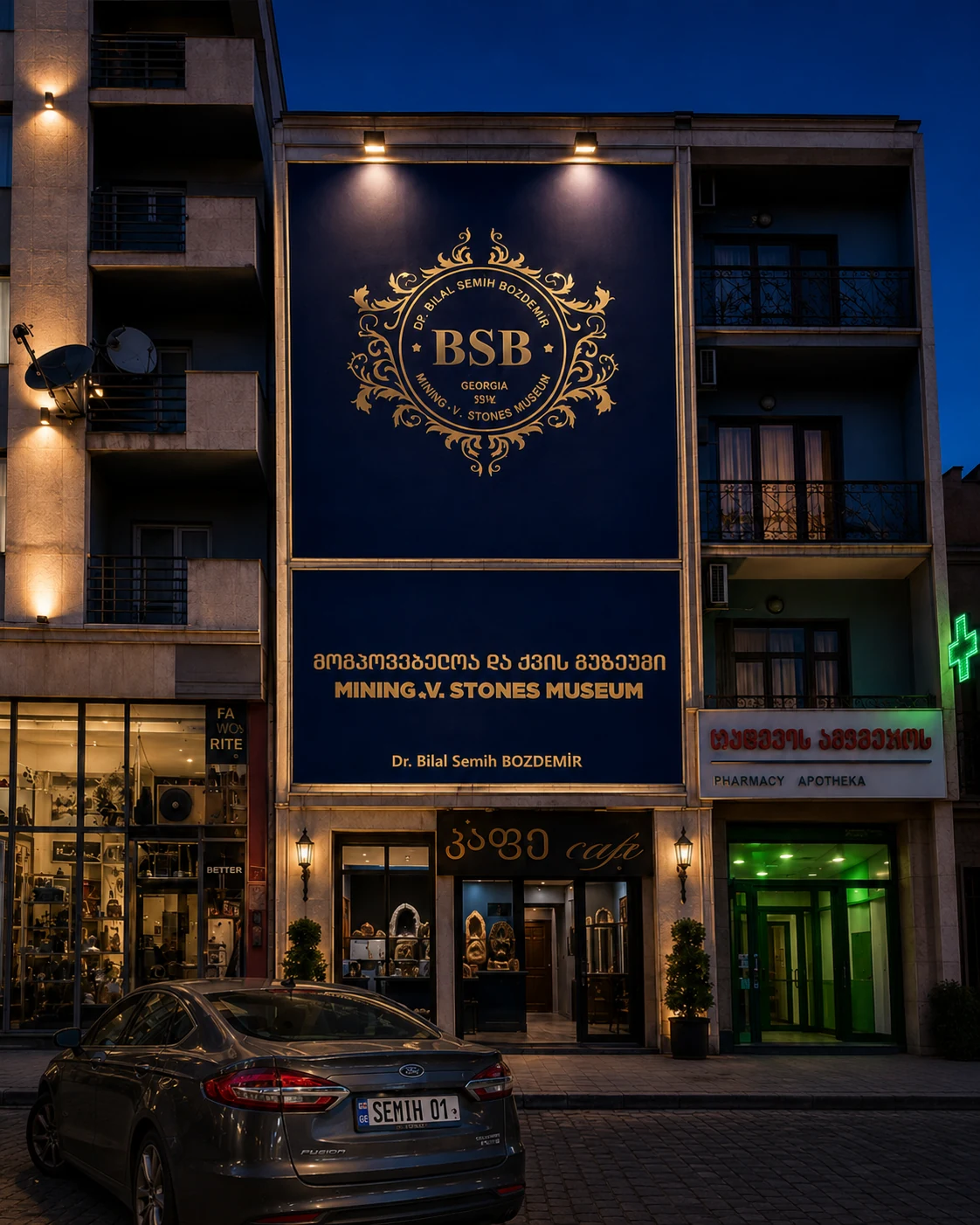
A museum proposal becomes meaningful when it is translated into a concrete institutional plan. The International Museums Chain Project offers partner countries a structured pathway from an initial idea to a functioning museum with a defined mission, collection strategy, educational programme and international cooperation framework.
For ministries and public institutions, the central question is not simply whether a museum can be built. The more important question is what public value that museum will create. A new institution should respond to a genuine cultural, scientific or educational need and should be designed to remain relevant over generations.
Beginning with the Host Country
Every country has its own cultural priorities. Some possess exceptional archaeological heritage. Others have strong mining, geological or mineral traditions. Some cities may need a science museum, a specialized national collection, a museum of technology, or an institution that brings together natural history and cultural interpretation. The project therefore begins with the host country rather than with a predetermined building template.
The first planning phase can examine national strategy, existing museum infrastructure, potential collections, educational demand, tourism flows and international cooperation opportunities. This assessment helps identify a concept that fills a real institutional gap.
Institutional Partnership with Ministries
Ministries of culture are natural partners because museum policy, heritage protection and national cultural planning fall within their institutional responsibilities. Ministries of education may become important partners where school programmes, curriculum support and university cooperation are central. Ministries or agencies responsible for tourism can contribute where the museum has destination value and can strengthen a city or region’s cultural profile.
The International Museums Chain Project is designed to support this inter-institutional approach. A museum can become more sustainable when cultural, educational and tourism objectives reinforce one another rather than being developed independently.
Choosing the Right Museum Model
A museum’s subject determines many later decisions: collection acquisition, storage, conservation, security, exhibition design, staffing and interpretation. A mineral and gemstone museum has different technical requirements from an art museum or archaeology museum. A science and technology museum may require interactive installations and laboratories. A heritage museum may depend heavily on archival research, oral history and historical objects.
For this reason, the concept phase should establish a clear scope before major construction or procurement commitments are made. The museum’s mission statement, target audiences and collection policy should guide architecture—not the other way around.
Architecture as an Institutional Tool
Museum architecture should support the collection and visitor experience. Exhibition galleries require suitable lighting, environmental control, circulation and security. Storage and conservation facilities should be planned from the beginning. Educational rooms, research spaces, visitor services and temporary exhibition capacity should be incorporated according to the museum’s role.
The International Museums Chain Project favours architecture that creates dignity without sacrificing functionality. A museum should be memorable, but it must also work efficiently every day for staff, collections and visitors.
Collections, Documentation and Conservation
The credibility of a museum ultimately rests on its collections and information. Objects require provenance records, cataloguing, photography, condition information, storage standards and interpretive research. Digital documentation should be treated as part of the core museum infrastructure, not as an optional later addition.
This disciplined approach is especially important for institutions that intend to cooperate internationally. Loans, travelling exhibitions, academic partnerships and insurance procedures all depend on professional records and collection management.
Education at the Centre
A new museum should be planned as an educational institution from its first day. School programmes can be developed with educators. University partnerships can support research and internships. Public lectures and workshops can bring experts into direct contact with visitors. Digital resources can extend the museum’s reach beyond its physical location.
In a well-designed museum, a visitor should not simply leave having seen objects. The visitor should leave understanding something new about a country, a science, a material, a period of history or a shared human experience.
Building International Connections
Membership in an international museum chain can create practical opportunities. Partner institutions can share expertise, develop reciprocal exhibitions, cooperate on publications and organize joint events. A museum in one country can introduce its heritage to audiences in another country through professionally structured cultural exchange.
This network effect is one of the project’s strongest strategic advantages. The value of each museum can increase as the network grows.
A Phased Development Roadmap
A typical development process may include an initial institutional dialogue, concept paper, feasibility assessment, collection and content planning, architectural brief, governance model, financing plan, implementation schedule, exhibition development, staffing and opening preparation. The exact sequence can be adjusted according to the host country.
This phased approach allows public institutions to evaluate the project at each stage, control risk and ensure that the final museum reflects agreed objectives.
Invitation to Public Institutions
The International Museums Chain Project welcomes written approaches from ministries, municipalities, universities and public cultural institutions interested in evaluating a museum initiative in their country. The purpose of the initial dialogue is exploratory: to determine whether a credible project can be developed and what form it should take.
A museum should not be imported as a finished idea. It should be built in partnership with the country it will serve.